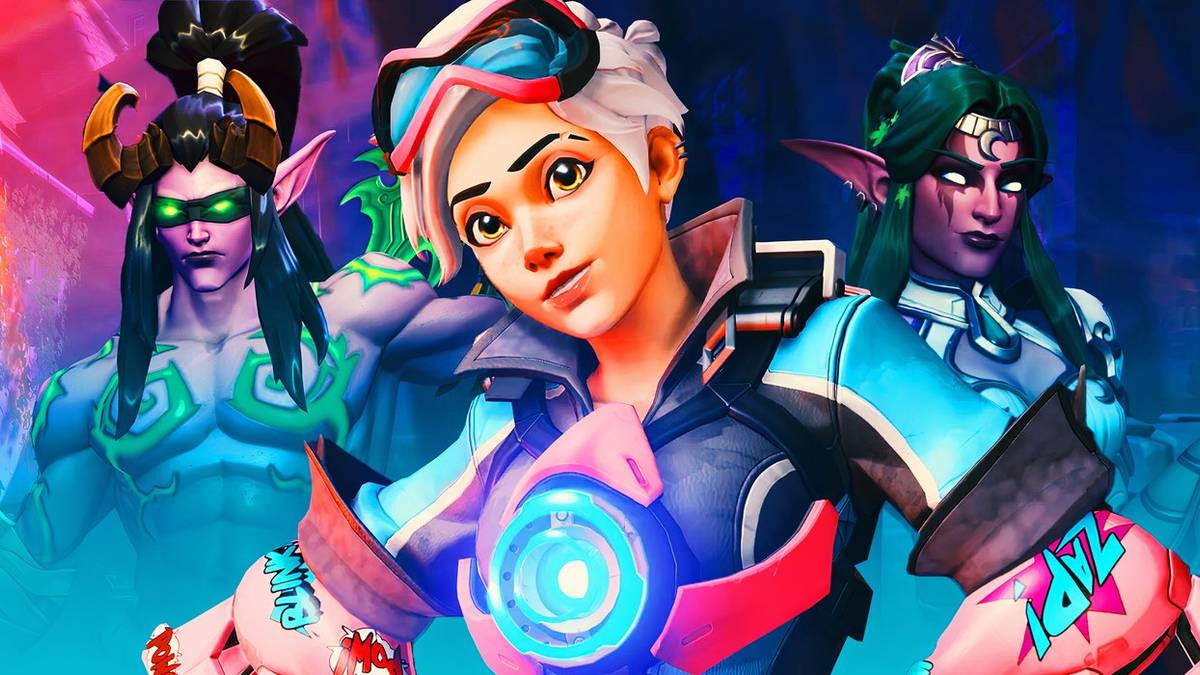
The Elusive Appeal of Exclusive Overwatch 2 Skins: A Community Obsession
In the vibrant, ever-evolving world of Overwatch 2, few things spark as much passion and persistent effort among players as the hunt for exclusive cosmetic items. While the in-game shop and hero gallery offer a rotating selection, a significant segment of the community is engaged in an intense quest for something far rarer: Overwatch Skin Codes. These coveted codes unlock skins that are often unavailable through conventional means, turning characters like D.Va, Mercy, Kiriko, Mei, Ashe, and Echo into even more personalized expressions of player identity. This demand stems from a shared sentiment that many currently available skins simply don't capture the unique aesthetic or prestige that these rare codes promise.
The allure of an exclusive skin goes beyond mere aesthetics; it's about status, individuality, and a connection to a specific moment in the game's history. Players often express disillusionment with the limitations of readily accessible options, leading them to scour forums, social media, and obscure corners of the internet in pursuit of that perfect, hard-to-find outfit. This relentless search for unique Overwatch Skin Codes highlights a deep-seated desire within the gaming community for items that truly stand out, making the hunt itself an integral part of the Overwatch 2 experience for many.
Navigating the Treacherous Waters of Community-Sourced Overwatch Skin Codes
The pursuit of rare Overwatch Skin Codes often leads players into the bustling, sometimes chaotic, realm of community-driven information. Gaming forums, Discord servers, and social media platforms like TikTok become crucial battlegrounds in this quest. Users frequently share tips, rumored code drops, and even direct examples, such as a recent mention of "demurevenus on TikTok" posting potential codes. While these community channels offer glimmers of hope, they also present a unique set of challenges and frustrations.
A common complaint echoed across these platforms is the rapid obsolescence of shared codes. Players report, "I’ve tried so many and they are all patched or get patched quickly." This swift invalidation can be disheartening, turning an exciting discovery into a moment of disappointment. The transient nature of these codes means that timing is everything, and even legitimate finds can quickly become useless. Furthermore, the decentralized nature of these discussions makes verifying the authenticity of codes a constant struggle, with scams and misinformation always lurking. To protect themselves, players are advised to:
- Verify Sources: Prioritize information from well-established community members or official-looking announcements, though always with a healthy dose of skepticism.
- Act Quickly (But Safely): If a reputable source shares a code, attempt to redeem it promptly, but never provide personal information or click suspicious links.
- Engage Respectfully: Contribute to discussions and share your own findings, fostering a collaborative environment while being wary of overly aggressive or pushy "traders."
- Consult Official Resources: Always check official Blizzard forums, FAQs, or support pages first for legitimate code redemption processes or announcements, before venturing into less official channels.
The community's resilience in the face of these hurdles is remarkable, transforming the search into a shared experience. For a deeper dive into the complexities surrounding skin availability, explore The Overwatch 2 Skin Code Hunt: Why Rare Skins Are Scarce.
Blizzard's Evolving Strategy: Beyond the Shop Shelf
The current landscape of rare Overwatch Skin Codes and limited-edition cosmetics is largely shaped by Blizzard's approach to content release. Over the past few years, the developer has leaned heavily into limited-time collaborations, partnering with a diverse range of brands from famous anime and manga series to the whimsical world of Hello Kitty and Friends. These collaborations introduce unique skins, highlight intros, and other items that are only available for a few weeks before disappearing, often for extended periods, and in many cases, never returning. This strategy, while generating initial excitement and urgency, inadvertently fuels the aftermarket demand for codes and creates a sense of exclusivity around items like the "Loverwatch" bundle.
Given the widespread player dissatisfaction with limited options and expiring codes, there's a strong expectation within the community that Blizzard will need to adapt. Experts estimate a significant 70% probability that the developer will respond with community-focused initiatives designed to address these frustrations. Potential strategies could include:
- Revamped Earning Systems: Introducing new in-game challenges or progression systems that allow players to earn unique, previously unavailable skins through gameplay, rather than relying solely on the shop or external codes.
- Limited-Time Events with Guaranteed Returns: Designing events that not only offer exclusive skins but also promise their return on a predictable, cyclical basis, alleviating the fear of missing out permanently.
- Community Feedback Integration: More directly incorporating player feedback into skin design and release schedules, perhaps even allowing community votes for skin re-releases.
- Enhanced Code Distribution: If codes continue to be a method of distribution, implementing clearer guidelines and perhaps an official platform for secure code exchange or verification to combat scams.
Such changes could significantly increase player engagement and re-ignite interest, ensuring the game maintains its vibrant community. Understanding these dynamics is crucial for both players and developers. To learn more about player demand and Blizzard's potential next steps, read Overwatch 2 Skin Codes: Player Demand & Blizzard's Next Move.
The Timeless Allure of Scarcity: A Look Back and Forward
The fervent hunt for exclusive Overwatch Skin Codes and rare cosmetics draws striking parallels to a bygone era of gaming: the trading card boom of the 1990s. Back then, enthusiasts would spend countless hours and resources seeking out elusive holographic cards or powerful rare editions to complete their collections or gain an edge in friendly competitions. This scarcity wasn't just a challenge; it was a catalyst for community building. Players formed bonds, shared tips on where to find packs, engaged in lively trades, and even sparked friendly rivalries, all centered around their shared passion for collecting.
Fast forward to Overwatch 2, and we see this same psychological dynamic at play. The scarcity of unique skins fosters a sense of collective purpose among players. It encourages them to engage with online communities, share their frustrations and triumphs, and even offer advice on potential sources for Overwatch Skin Codes. This shared pursuit transforms what could be a solitary endeavor into a deeply social experience, strengthening the game's community fabric. While the frustration of missed opportunities or invalid codes is real, the underlying desire for unique self-expression and the thrill of the chase remain powerful motivators. It highlights how gaming culture consistently adapts, turning inherent limitations or exclusive content into opportunities for deeper player interaction and lasting community bonds, proving that the value of an item is often amplified by its rarity.
Conclusion
The quest for rare Overwatch Skin Codes is more than just about acquiring a digital item; it's a testament to the passionate, dedicated community that breathes life into Overwatch 2. From the thrill of discovering a new lead on social media to the shared frustration of patched codes, players are actively shaping a vibrant subculture around cosmetic exclusivity. As the demand for unique D.Va, Mercy, Kiriko, and other character skins continues to grow, Blizzard faces the ongoing challenge and opportunity to meet player expectations. Whether through innovative in-game events, a revamped earning system, or a more transparent approach to code distribution, addressing this community-wide desire will be key to sustaining engagement and ensuring the future vibrancy of Overwatch 2's thriving player base. The allure of scarcity, much like in the trading card games of old, continues to prove itself a powerful, community-building force in the modern gaming landscape.